At first glance, many 3D-printed products look pretty similar. Clean lines, smooth surfaces, and clever shapes can make things seem well-made and professional. A photo on a website or social media can make any printed object look impressive.
But here’s what you discover once those products are actually used in real life: big differences start to emerge. And those differences almost always come down to one thing—design intent.
What is design intent? It’s the “why” behind every design choice. It’s whether the creator was thinking about how the product would actually be used, or whether they were just thinking about how it would look.
Let me explain why this matters so much.
Understanding the Two Types of 3D Printing
When it comes to 3D printing, there are really two main categories of products:
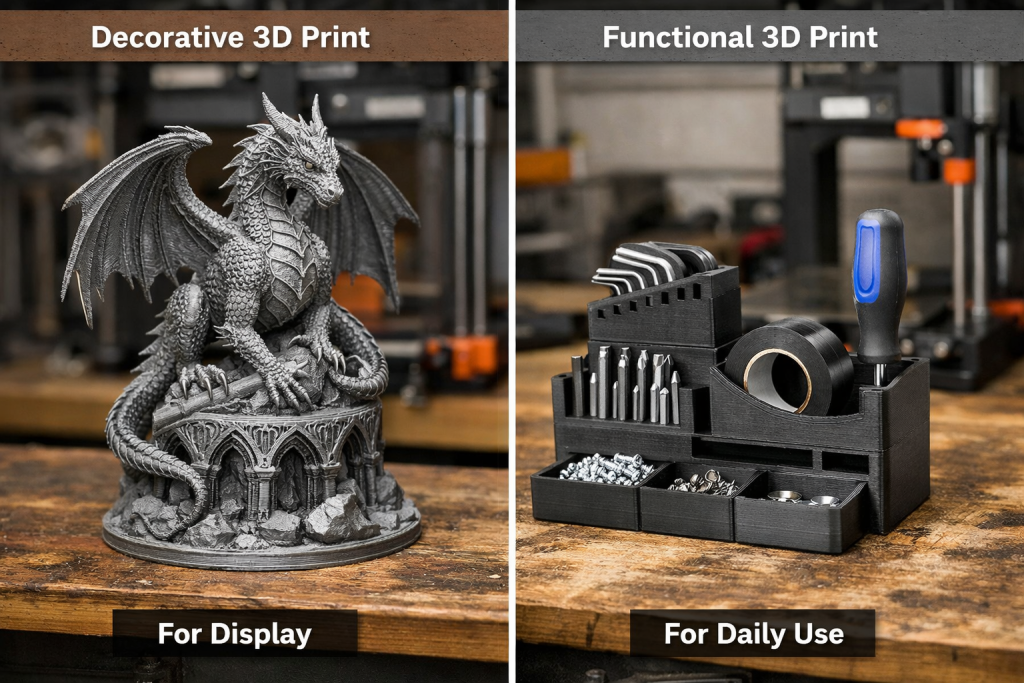
Decorative prints are designed to be seen and admired. They’re art pieces, display items, collectibles, or decorations. They look cool on a shelf. Their main job is to be visually interesting.
Functional prints are designed to be used and handled. They’re tools, organizers, holders, or practical items. Their main job is to solve a problem or make something easier.
Neither type is inherently wrong or bad. Both have their place. But here’s where problems happen: confusing the two categories leads to major disappointment.
A decorative print doesn’t need to be super strong. It doesn’t need to handle stress or repeated use. It just needs to look good sitting still.
But a functional print? That’s completely different. Functional prints must account for several important factors:
Stress and load (will weight or force be applied to it?) Repeated handling (will it be picked up, moved, or used many times per day?) Environmental factors (will it face heat, moisture, or temperature changes?) User behavior (how will real people actually interact with it?)
Without intentional design that considers all these factors, even a beautifully printed object can fail quickly when put to real use.
Why Small Design Choices Make Huge Differences
In 3D printing, the tiny details aren’t just nice touches. They’re not optional extras that only perfectionists care about. They’re actually structural decisions that determine whether something works or breaks.
Let me give you some specific examples of details that matter enormously:
Wall Thickness
Make the walls too thin, and the object will be fragile and crack easily. Make them too thick, and you waste material, increase print time, and might create warping issues. The right thickness depends on the specific use case.
Fillets and Chamfers
These are the rounded or angled edges on corners. They’re not just for looks. Sharp internal corners create stress concentration points—places where the material is much more likely to crack under pressure. Proper fillets distribute stress and dramatically increase durability.
Print Orientation
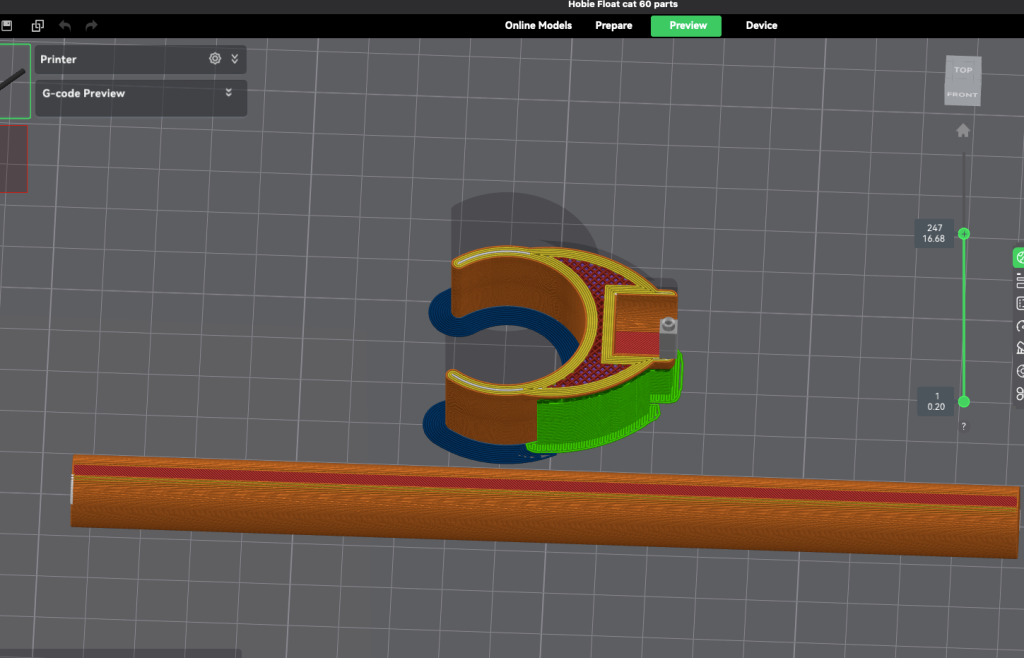
The direction you print something affects its strength significantly. 3D printed objects are generally weakest along the layer lines. If you orient a design wrong, it might break easily exactly where stress is applied. Smart designers think about stress direction before choosing print orientation.
Material Selection
Different filaments have different properties. PLA is easy to print but can be brittle. PETG is more flexible and durable. TPU is flexible like rubber. Choosing the wrong material for the job means the product won’t perform well no matter how good the design looks.
A design that ignores these factors may look perfectly fine sitting on a desk or in a photo. But it will fail under real conditions—when it’s dropped, when pressure is applied, when it’s used repeatedly day after day.
Purposeful design anticipates these stresses and challenges before they happen, not after the product breaks. (Learn more about our approach to Purposeful Design in our main article.)
Design Intent Determines How Long Things Last
Products designed with clear intent tend to last way longer. This makes sense when you think about it. They’re built with their actual use case in mind from the very beginning.
Design intent means answering important questions early in the process:
How will this product be handled on a daily basis? Where will pressure or force be applied during normal use? What kind of wear and tear should we expect over weeks and months? What are the most likely ways this could break, and how do we prevent that? What environmental conditions will it face?
When these questions are answered during the design phase—not after the product is already made—the final product becomes much more resilient and long-lasting.
It’s like the difference between building a house on a solid foundation versus building it on sand. The foundation work isn’t visible in the final result, but it determines everything about how well the structure holds up over time.
Why Rushed Designs Fail
Here’s a hard truth: many 3D prints fail not because of poor printing quality, but because of rushed or thoughtless design.
When someone is in a hurry to get a product out, or when they’re more focused on how cool something looks than how well it works, you see common problems show up again and again:
Overly Thin Walls
Walls that are too thin save filament and print time, but they create fragile products that crack easily. A rushed designer might choose 1mm walls when 2.5mm is needed for the actual use case.
Poor Fit
Parts that should fit together smoothly instead require force, wiggling, or don’t fit at all. This happens when tolerances aren’t properly calculated or tested.
Unnecessary Complexity
Adding features that look cool but serve no purpose and actually make the product harder to print reliably and more likely to fail.
Weak Connection Points
Places where different parts join together become breaking points because the designer didn’t reinforce them properly.
These aren’t random accidents or bad luck. They’re symptoms of missing intent. They’re what happens when someone focuses on output (getting something made quickly) instead of outcome (creating something that actually works well).
Purposeful design slows the process down just enough to get all these details right. And that time invested upfront saves massive time, frustration, and money later. (Read more about why starting with the problem leads to better design in our article “Why Every Great 3D Print Starts With a Problem.“)
The Customer Experience Difference
From your perspective as a customer, design intent shows up in your daily experience in several clear ways.
First, you feel confidence in the product. It feels solid in your hands. It doesn’t flex or bend in worrying ways. You trust that it will handle normal use without breaking.
Second, you need fewer replacements. The product keeps working month after month instead of breaking within weeks and needing to be replaced.
Third, you spend less time on maintenance and adjustments. The product doesn’t loosen up, warp out of shape, or require constant tweaking to keep working properly.
And finally, you experience better overall satisfaction. When something just works reliably, you stop thinking about it. You can focus on your actual work or activities instead of fighting with your tools.
When a product performs consistently over time, users stop noticing it—and that’s actually a really good thing. It means the design has become “invisible” in the best possible way. It’s just doing its job without requiring attention or creating frustration. (We talk more about functional design in our article “From Everyday Frustration to Functional Design.“)
How We Design With Intent at V & L Prints
At V & L Prints, every single design decision serves a clear purpose. Nothing is random. Nothing is there “just because.”
Before we finalize any design, we ask ourselves:
What specific problem is being solved by this product? How will this be used over time—daily, weekly, in what situations? What does success look like in real-world conditions, not perfect conditions? Where are the likely stress points and how do we reinforce them? What could go wrong, and how do we prevent it?
Those answers guide every aspect of our design process, from the very first sketch to the final print settings.
This intentional approach ensures that what we create isn’t just printable—it’s actually usable for the long term. It’s not just another object taking up space. It’s a solution that earns its place in your daily life.
Testing in Real Conditions
Here’s something that separates intentional design from rushed design: real-world testing.
It’s easy to create something that looks perfect in a 3D modeling program. The software shows you a beautiful, smooth object with no flaws.
But that’s not where the product will live. It won’t stay in the perfect digital world.
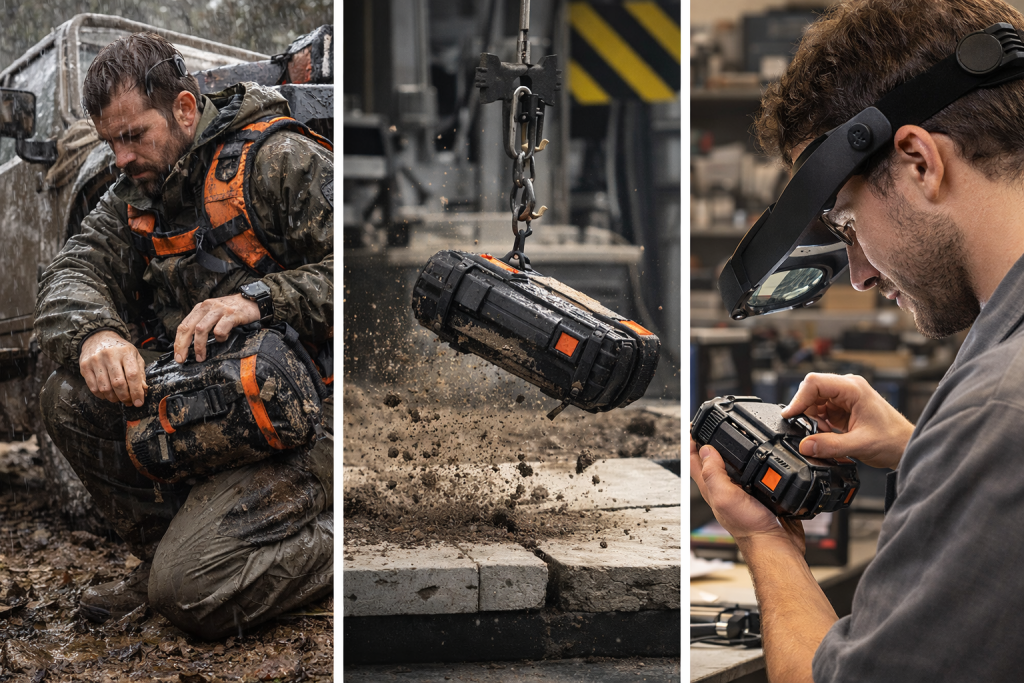
It needs to work on real desks, in real workshops, in real hands. It needs to handle being dropped accidentally. It needs to survive temperature changes, humidity, and all the unpredictable things that happen in real life.
That’s why we test designs in actual conditions before calling them finished. We don’t just render them and call it done. We print them, use them, stress them, and see what happens.
Sometimes this testing reveals that a wall needs to be thicker in one spot. Or that a corner needs more reinforcement. Or that the print orientation should be different. These discoveries during testing lead to refinements that make the final product dramatically better.
This testing phase takes extra time. But it’s time well spent, because it prevents customers from discovering problems after they’ve already received the product.
The Long-Term Value of Quality Design
When you choose a product designed with real intent, you’re making an investment in quality that pays off over time.
Yes, a rushed, poorly designed print might be cheaper upfront. But if it breaks within a month and needs to be replaced, you end up spending more money and dealing with more frustration.
A well-designed product costs what it costs because of all the thought, testing, and refinement that went into it. But it lasts. It works. It doesn’t need to be replaced.
Over time, quality design is actually more economical and definitely less frustrating.
Purposeful Design Is the Real Difference
Not all 3D prints are created equal because not all designs are created with the same level of intent, care, and thoughtfulness.
When design is purposeful—when every choice has a reason tied to real-world use—products last longer, work better, and earn their place in everyday life.
That’s not marketing language. That’s the practical reality of what happens when you design with intention instead of rushing to output.
That’s the standard we design by at V & L Prints. It’s why our products work reliably. It’s why customers trust them. And it’s why they last.
If you’re tired of products that look good in photos but fail in real use, you’re ready for intentional design.
Related Reading
This post is part of our Purposeful Design approach at V & L Prints. To explore more about how design intent creates better solutions:
- Read our main article: Purposeful Design: Why We Create 3D-Printed Solutions That Actually Work
- Understand our starting point: Why Every Great 3D Print Starts With a Problem
- See how problems become solutions: From Everyday Frustration to Functional Design: How Custom Prints Are Born