One of the most common wrong ideas about 3D printing is that it starts with the printer itself. People think success comes from having the best machine, the perfect settings, or the coolest design files downloaded from the internet.
But here’s the truth: the best 3D-printed products don’t begin with filament, printer settings, or even a model file. They begin with a problem that needs solving.
At V & L Prints, we’ve learned an important lesson over the years. The difference between a print that gets used every single day and one that ends up forgotten in a drawer often comes down to asking one simple question before anything else:
What problem is this actually solving?
When design starts with a problem instead of just a tool you want to use, everything that follows becomes clearer, more intentional, and ultimately way more useful. Let’s talk about why this matters so much.

The Trap of “What Should I Print Next?”
If you spend any time in 3D printing communities online, you’ll see the same questions over and over:
“What’s trending right now?” “What do people seem to like?” “What prints the fastest or easiest?” “What can I make that will look cool?”
These questions aren’t completely wrong. It’s natural to want inspiration or to know what’s popular. But here’s the problem: they’re incomplete questions. They’re missing the most important part.
When 3D printing becomes about output instead of outcome, it leads to products that may look interesting in photos but fail to deliver any real long-term value to the people using them.
Printing just for the sake of printing—without a clear purpose—often results in several problems:
First, you get fragile designs that break easily because they weren’t built to handle real use. Second, you end up with awkward usability where the item is hard to use or doesn’t quite fit right. Third, the products don’t work well in real-world environments because nobody thought about where they’d actually live. And finally, you create things that don’t solve any real need, so they just collect dust.
Starting with the problem instead of the printer flips that entire equation upside down.
Problem-First Design Creates Better Solutions
When a design begins with a clear, well-defined problem, all your decisions become easier and more focused. You’re not guessing anymore.
Instead of trying to figure out what someone might want based on trends or popularity, you’re responding directly to what they already need. You’re designing with real context and real information, not just assumptions about what might be cool.
Problem-first design helps you answer critical questions like:
Who will actually use this product? How often will they use it—every day, once a week, occasionally? Where will it live—on a desk, in a car, in a workshop? What frustrates them about the current solutions they’re using? What have they tried already that didn’t work?
Those answers become your guide for everything that comes next. They help you decide on the right dimensions and materials. They tell you how the product should be held, stored, or interacted with. They show you what features matter and what features are just unnecessary extras.
This approach is at the very core of what we call Purposeful Design. It’s why our products are built around real-life use instead of what looks good in theory or in a 3D rendering. (You can read more about our complete approach to Purposeful Design in our main article.)
Real Problems Are Often Small (But Really Important)
Here’s something interesting: many of the problems that lead to the best designs aren’t big, dramatic issues. They’re not life-or-death situations. Instead, they’re subtle, recurring frustrations that happen over and over again.
Things like:
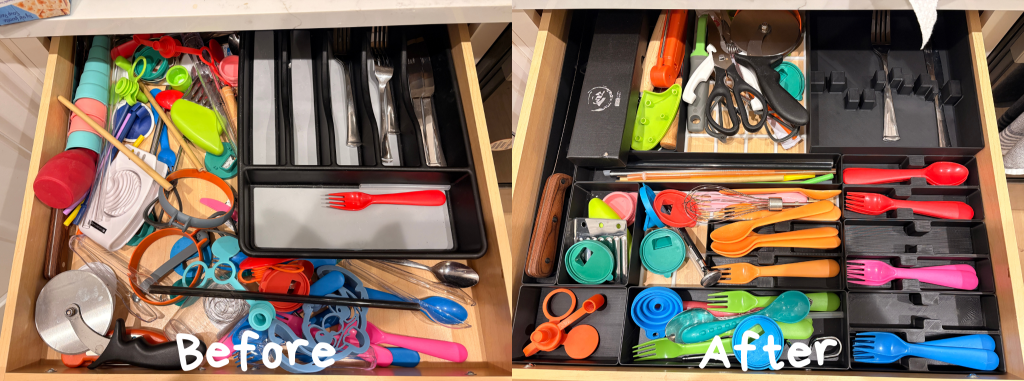
Tools that never seem to stay organized no matter what you try Information that’s hard to access quickly when you need it Products that almost work for your needs, but not quite perfectly Items that require constant adjustment or tinkering to use properly Storage solutions that don’t fit your specific space
When you look at any single one of these frustrations by itself, it seems pretty minor. It’s easy to just shrug and say “that’s just how it is” or “I can deal with it.”
But here’s what happens: individually small frustrations add up over time. That tool you can’t find wastes two minutes every single time you need it. That awkward storage solution creates mess and stress multiple times per day. Those two minutes become hours. Those moments of frustration become ongoing irritation.
When we pay close attention to those moments—the times when people have to improvise, adapt their workflow, or complain about something not working right—we uncover real opportunities for better design.
That’s often where the most meaningful custom solutions come from. Not from trying to invent something brand new and flashy, but from fixing something that’s been annoying people for a long time.
How This Applies to Custom 3D Printing
Custom 3D printing really shines when it’s used to solve specific problems that mass-produced items simply can’t address.
Think about it this way: off-the-shelf products from big stores are designed for averages. They’re made to work okay for the largest number of people possible. But your situation probably isn’t average. Your workspace isn’t average. Your tools aren’t average. Your needs are specific to you.
Custom designs, on the other hand, are created for real people with real spaces and real workflows. Not imaginary average people.
By starting with a problem and designing specifically for that problem:
Customization becomes purposeful, not just cosmetic or decorative Designs become more intuitive because they match how you actually work Products require way less explanation and adjustment to use Users don’t waste time trying to make things fit their needs
Instead of forcing you to adapt your workflow to fit a product’s limitations, the product adapts to you and your situation.
That’s the real power of problem-first design.
Why This Matters to Customers
From your perspective as a customer, problem-first design means several important things.
First, it means fewer compromises. You don’t have to settle for “close enough” or “I guess this will work.” You get exactly what you need.
Second, it means better performance. When something is designed specifically for how you’ll use it, it just works better. Period.
Third, it means way less frustration in your daily life. No more fighting with tools or products that don’t quite fit your needs.
And finally, it means more confidence in the solution. When someone receives a product that clearly addresses their specific pain point, they don’t have to spend time “figuring it out” or making it work. It simply works right from the start.
That kind of experience builds trust. Not just trust in the product itself, but trust in the business and people behind it. It shows that someone actually listened and cared about solving your problem, not just making a sale.
How We Apply This at V & L Prints
At V & L Prints, we don’t start projects by asking ourselves what would be easiest or fastest to print. We don’t look at what’s trending online and try to copy it.
Instead, we start by listening to you.
We ask questions like: What isn’t working well for you right now? What have you already tried to fix this problem? What would “better” look like for your specific situation? How do you actually work or use your space? What matters most to you in a solution?
That information—your real experiences and needs—becomes the foundation of the design. It’s not optional background information. It’s the blueprint.
From there, we start designing. But we don’t stop after the first version. We refine the design. We test it in real conditions. We make adjustments until the solution makes sense in the real world, not just on the print bed or in a computer model.
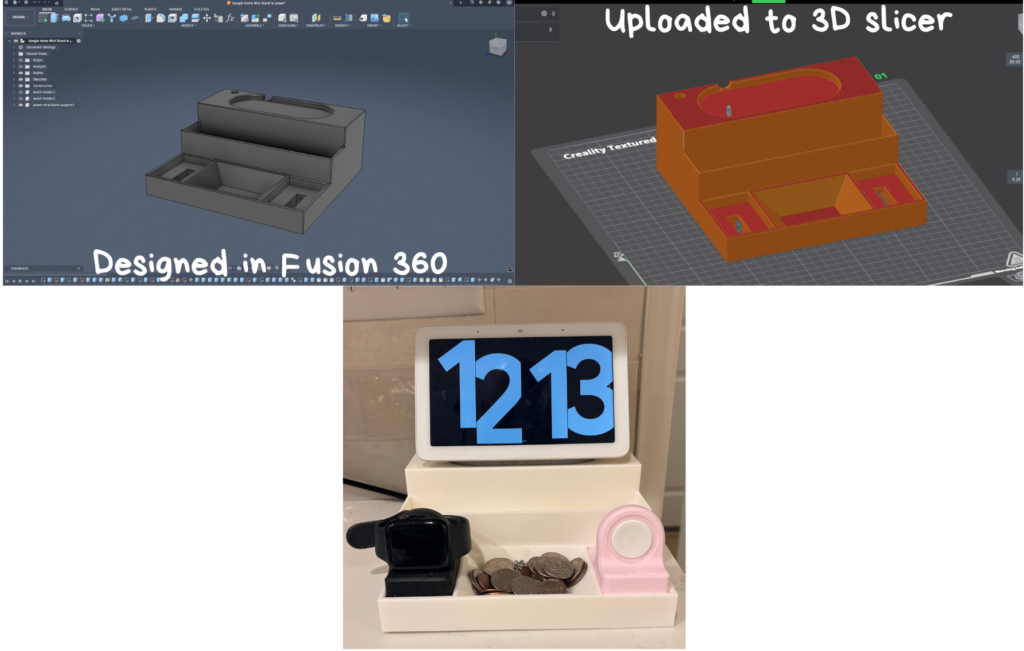
This problem-first approach is part of our broader Purposeful Design philosophy. It’s what allows us to create solutions that don’t just work on day one, but keep working month after month. (Learn more about how we think about design intent and long-lasting solutions in our article “Not All 3D Prints Are Created Equal.”)
Purposeful Design Starts With the Right Question
Every great 3D print starts with a problem because problems give design its direction and purpose.
Without a clear problem to solve, you’re just making stuff. And the world doesn’t need more random stuff.
When you design with intention and start with a real problem, you don’t just create objects that take up space. You create solutions that make people’s lives genuinely better.
That’s the difference between printing something and designing something that actually works and keeps working.
The next time you’re thinking about getting something custom-made or 3D printed, don’t start by thinking about what you want to make. Start by thinking about what problem you’re trying to solve. What’s frustrating you? What’s not working? What would make your daily life or work easier?
Answer those questions first. Then the design almost creates itself.
Related Reading
This post is part of our Purposeful Design approach at V & L Prints. To learn more about the complete philosophy behind how we work:
- Read our main article: Purposeful Design: Why We Create 3D-Printed Solutions That Actually Work
- Discover how frustrations become solutions: From Everyday Frustration to Functional Design: How Custom Prints Are Born
- Learn why quality matters: Not All 3D Prints Are Created Equal: Why Design Intent Matters