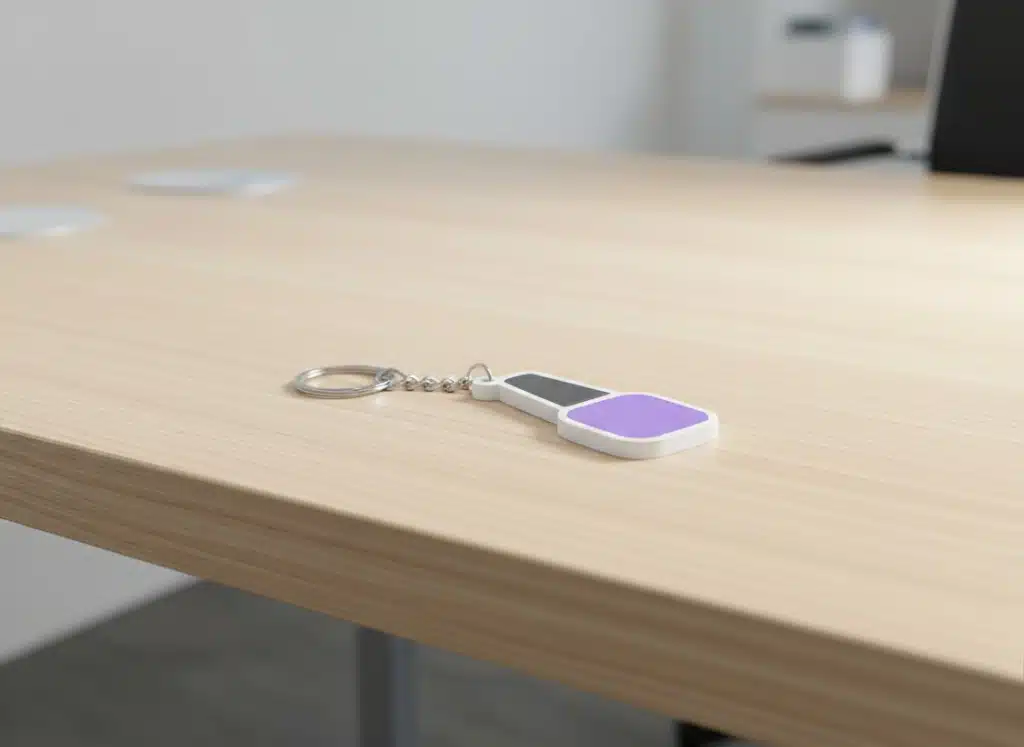
When most people look at a 3D printed product, they notice the design first. The shape, the color, maybe the personalization. But one of the biggest things that determines whether a print lasts for years — or falls apart after a few months — is something most people never even think about: the material it’s made from.
Not all 3D printing materials are the same. Picking the right one can be the difference between a product that holds up through daily use and one that cracks, warps, or wears out way too soon. It sounds like a small detail, but it’s actually one of the most important decisions in the entire process.
At V & L Prints, choosing the right material is one of the first things we think about when creating a product. If you’ve already read our main article on custom quality, you know we believe personalized products should never sacrifice durability. A huge part of keeping that promise starts with using the right materials from day one.
Check out our full guide on Custom Quality: Why Your Stuff Should Be Built Better to see how we approach every product we make.
Not All Filament Works the Same Way
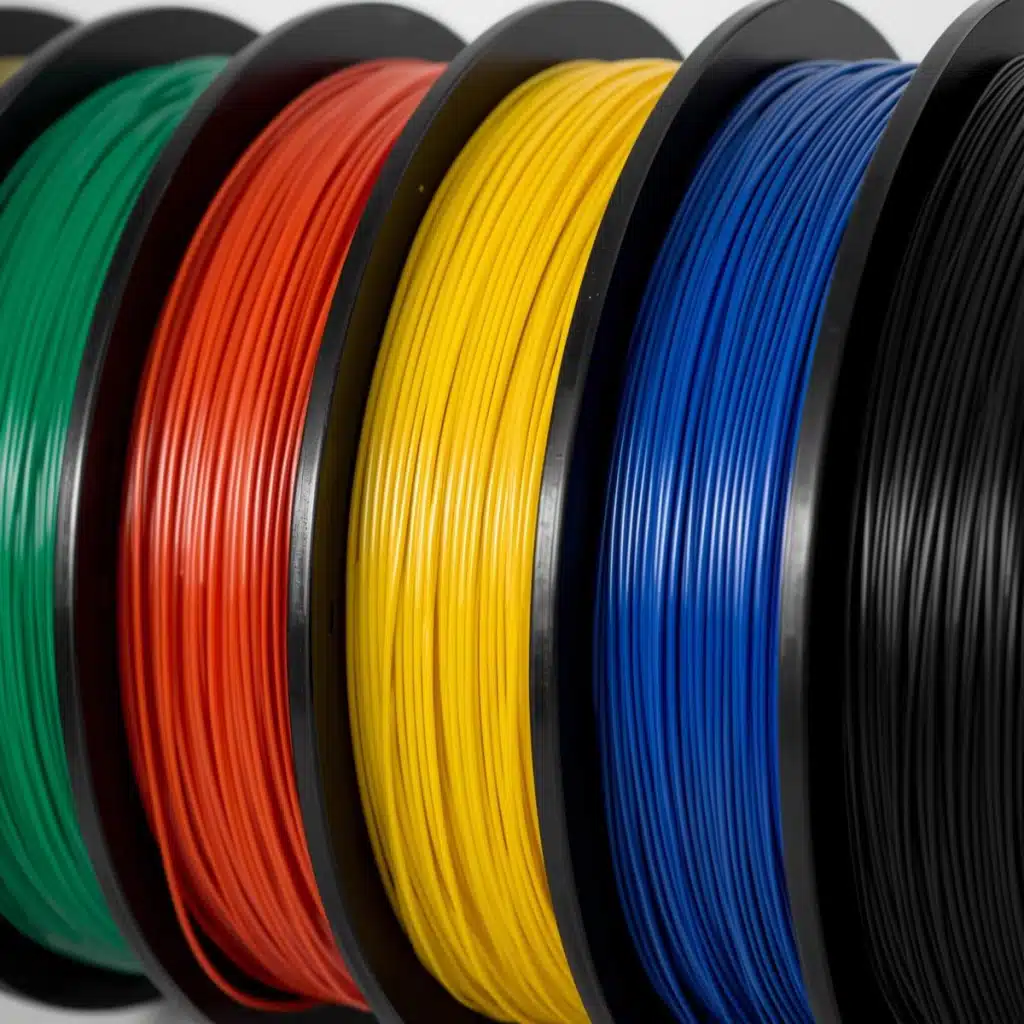
If you’re new to 3D printing, you might assume all plastic filament is basically the same. It all comes off a spool, right? How different can it really be?
Pretty different, actually. Various materials behave in very distinct ways when they’re printed and when they’re used in the real world. Some filaments are designed to be flexible. Some are built for maximum strength. Others focus on looking great with a smooth, clean surface. And each one handles everyday wear and tear in its own way.
When it comes to things like impact resistance, heat tolerance, how well the layers bond together, surface finish, and long-term durability — material choice affects all of it. A design that works perfectly in one type of filament might fail quickly in another. That’s why choosing the right material isn’t just a background decision. It’s a core part of the design process itself, and it has to happen before a single layer ever gets printed.
Why Cutting Corners on Materials Always Backfires
One of the easiest ways to lower the cost of a 3D printed product is to use cheaper, lower-quality materials. Unfortunately, it’s also one of the fastest ways to end up with something that doesn’t hold up.
Lower-quality filament tends to cause a whole range of problems. Parts become brittle and crack under pressure. Layers don’t bond together as strongly, which weakens the overall structure. Prints can warp or change shape over time, especially when exposed to heat. The surface finish can look uneven or rough. And the overall lifespan of the product drops significantly.
Here’s the tricky part — these problems don’t always show up right away. A print made with cheap materials can look completely fine when it first comes off the printer. The colors look good, the shape is right, everything seems okay.
But once that product gets used in the real world — handled every single day, left in a warm car, dropped on the floor, or carried around in a bag — the weaknesses start to show up fast. For products like desk organizers, phone holders, cable clips, or NFC tags, this is a real problem. These are things people interact with constantly. They need to survive daily life, not just look good in a product photo.
Matching the Right Material to How the Product Is Actually Used
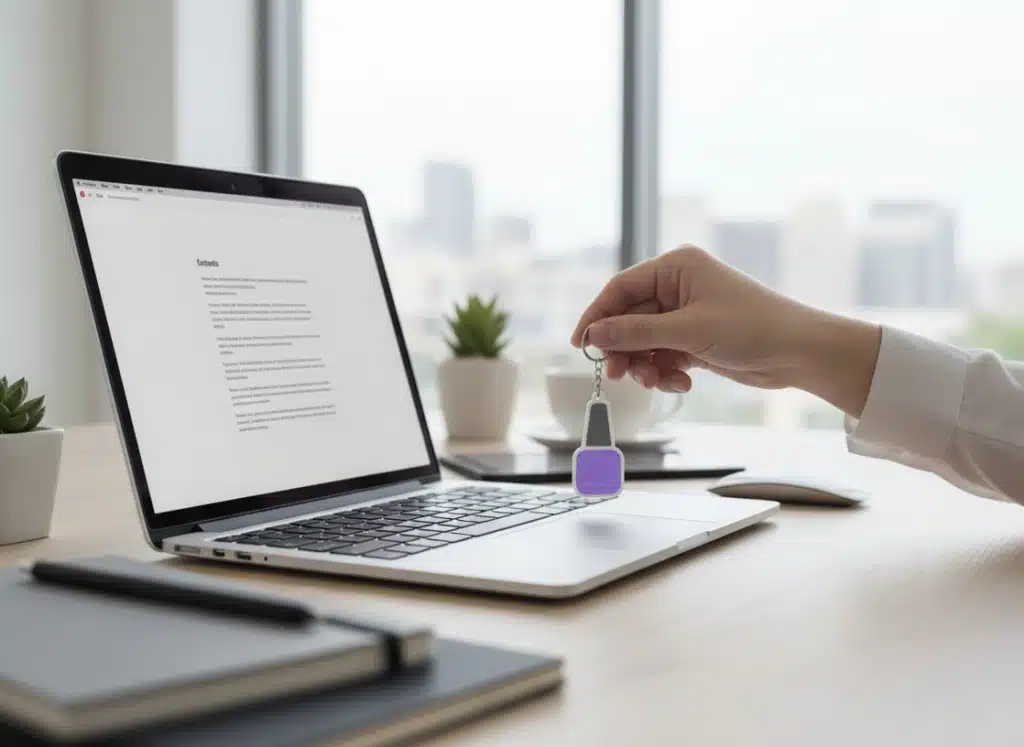
There’s a big difference between something made to sit on a shelf and something made to be used every day. Decorative prints mostly just need to look good. They don’t take much wear or stress. Functional prints are a completely different situation.
Think about what a functional product goes through. It might get grabbed or handled dozens of times a day. It could sit near a window where it gets hit with sunlight and heat for hours at a time. It might get tossed into a backpack or pocket. At some point, it’s probably going to get knocked off a desk or dropped.
All of those real-world conditions should be part of the conversation when choosing materials. Something designed to sit nicely on a desk might prioritize a smooth, attractive finish. But a product that gets handled constantly needs stronger layer bonding and better resistance to impact. If those two things are made from the same material without thinking that through, one of them is probably going to fail sooner than it should.
At V & L Prints, we always think about how a product is going to be used — not just how it looks — before we settle on a material. That mindset is what helps us build things that actually work the way they’re supposed to.
Want to see what quality-first 3D printing actually looks like?
Thickness Is Only Part of the Equation
A lot of people assume that if you just make the walls of a 3D printed part thicker, it’ll automatically be stronger. And while thickness does help, material choice plays just as big a role in how strong something actually is.
Two prints with the exact same design and the same wall thickness can perform completely differently depending on what they’re made from. The flexibility of the filament, the internal structure, and how well the layers bond together all affect how the part behaves when it’s put under stress. A thicker part made from the wrong material can still crack or fail under pressure.
That’s why quality-focused printing considers the whole picture — material strength, layer adhesion, print orientation, and smart structural design all working together to create something that feels genuinely solid and reliable.
Custom Products Bring Extra Challenges
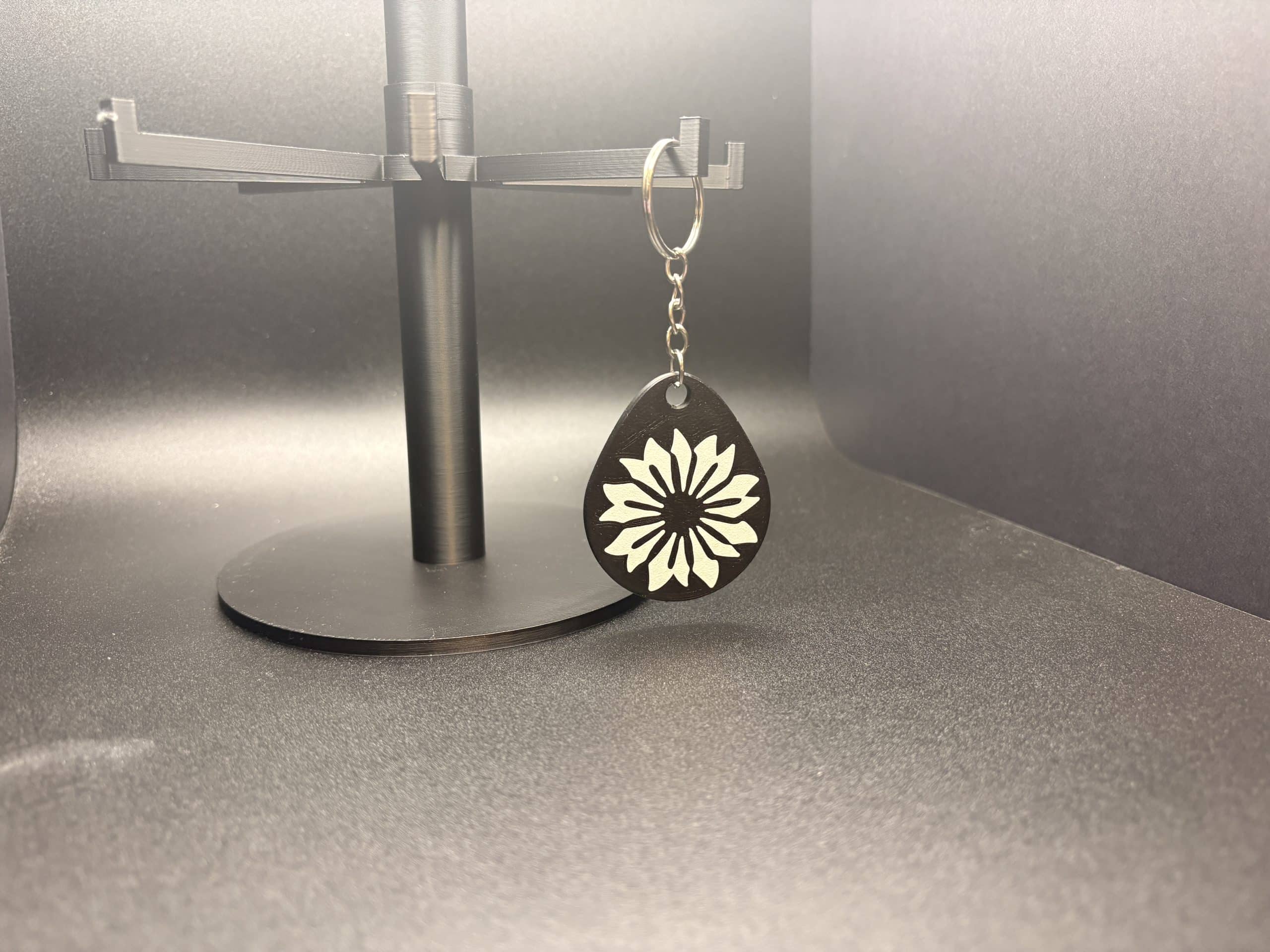
Personalized products add another level of complexity to all of this. When a product includes a custom logo, a unique shape, or dimensions built specifically for one person, the material still has to hold everything together.
Take personalized NFC tags as an example. The outer casing has to protect the chip embedded inside while still maintaining a clean, professional appearance. If the material is too brittle, the casing can crack when it gets bumped. If it’s too flexible, it might not protect the electronics properly or hold its shape over time. Finding the right balance is only possible when you’ve chosen the right material for the job.
The same logic applies to any custom product. Personalization should make something better — more useful, more meaningful, more fitting for the person who ordered it. It should never come at the cost of making the product weaker or less reliable. Getting the material right is how we make sure that doesn’t happen.
Curious about our NFC tags? Learn how we build them to last.
When a Product Lasts, It Builds Real Trust
One there’s something that happens the moment a customer picks up a well-made product. They notice it right away — maybe not consciously, but they feel it. The weight, the finish, the way everything holds together. All of those small details communicate quality before anyone says a single word about it.
And when that same product is still working great six months or a year later, it builds something even more important: trust. Customers remember products that do what they’re supposed to do. They come back. They tell other people.
For a small business like V & L Prints, that kind of trust means everything. We don’t run massive advertising campaigns or pump out thousands of generic products. What we do is create things with care, and we count on customers to notice the difference. Quality materials are a big part of what makes that possible.
Why Taking the Time to Do It Right Actually Matters
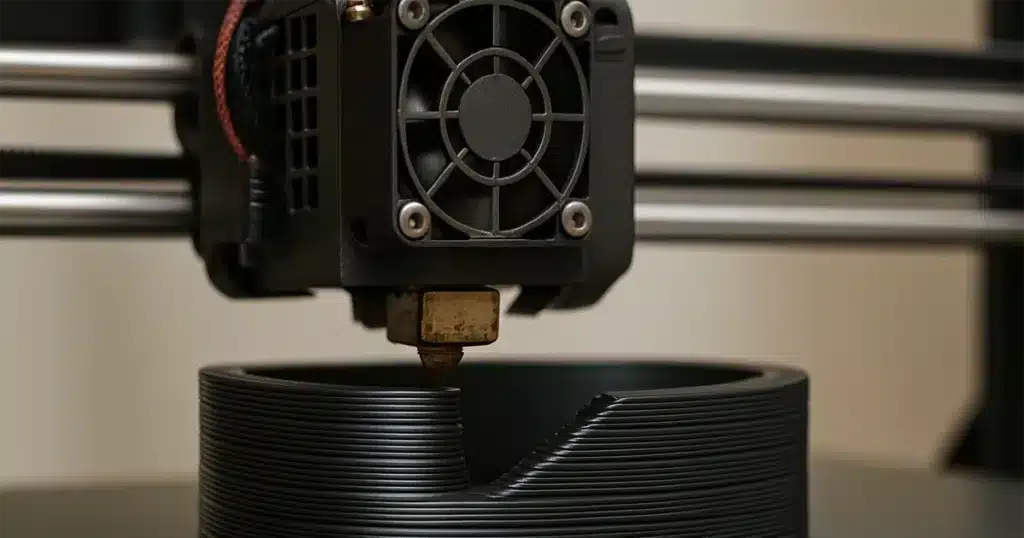
Using higher-quality materials sometimes means slowing the process down a little. Better filaments can require more precise temperature settings, slower print speeds, and careful calibration to get consistent results. These aren’t unnecessary extra steps — they’re what separates a reliable product from one that looks okay but fails under pressure.
Rushing through the printing process might cut down on time, but it can weaken how the layers bond together and reduce the overall strength of the part. When the goal is to create something that lasts, patience really is part of the process. It’s something we take seriously at every step of production — because we’d rather take a little extra time and send out something we’re genuinely proud of.
Great Design Is Just the Beginning
A thoughtful design is important. No question. But it’s only one piece of what makes a product truly great.
Real quality comes from combining smart design with the right materials and careful production. At V & L Prints, every product we create is built around three things working together: a purposeful design that solves a real problem, quality materials that hold up over time, and a production process that keeps results consistent from one order to the next.
When all three of those come together, you get something that doesn’t just look good — it actually works, and it keeps working.
The Bottom Line
Materials might not be the first thing people notice about a 3D printed product, but they play a massive role in how that product performs in the real world. The right material supports strength, longevity, reliability, and a professional finish. The wrong one can make even a great design fall short.
It’s one of the clearest differences between prints that last and prints that don’t.
If you want something made specifically for you — built with the right materials, the right process, and real attention to detail — we’d love to help.
Have a custom project in mind? Reach out to us and we’ll work with you to figure out the best design and materials for exactly what you need.
And if you’d like to dig deeper into the philosophy behind everything we build, don’t miss our main article on the topic.
Read our full guide: Custom Quality: Why Your Stuff Should Be Built Better. It’s the foundation behind every product we create at V & L Prints.
Because when something is made specifically for you, it should be built to last.